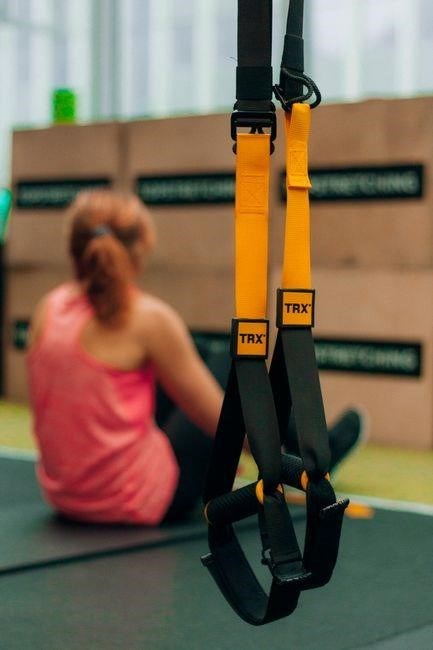
TRX, a suspension training system, blends bodyweight and gravity to target core, strength, and flexibility. Its adjustable straps allow movements, making workouts for all fitness levels. Downloading a TRX exercises PDF provides structured guidance and variety.

Benefits of TRX Training
!!!
TRX exercises PDF offers a comprehensive guide that showcases the versatility of suspension training. By leveraging body weight and gravity, the system engages multiple muscle groups simultaneously, promoting balanced strength development. Core stability is a primary focus, as the unstable platform forces the body to recruit stabilizing muscles throughout each movement. This leads to improved posture, reduced risk of injury, and enhanced athletic performance across sports that demand agility and coordination.
Flexibility gains are notable; the dynamic range of motion required for many TRX moves stretches connective tissues and increases joint mobility. Additionally, low-impact suspension training suits rehabilitation and joint-friendly workouts. The progressive overload principle is applied by adjusting strap length or body angle, allowing beginners to start with manageable variations and advanced users to intensify routines without gear.
Moreover, TRX workouts are performed in diverse settings—home, office, outdoor, or gym—thanks to the lightweight design. A well-structured PDF plan provides clear instructions, progression charts, and safety tips, ensuring that users can maintain proper form and track progress over time. This accessibility, combined with the functional, compound movements, makes TRX a powerful tool for overall fitness, strength, and mobility enhancement;

Choosing the Right TRX PDF Resources
Select a TRX exercises PDF that offers clear illustrations, progressive plans, and evidence‑based routines. Verify author credentials, check updates, and ensure mobile‑friendly access for on‑the‑go workouts. PDFs are in PDF form Now
Where to Find High-Quality PDFs
Finding reliable TRX exercise PDFs starts with trusted origins; The official TRX website hosts downloadable guides that reflect the latest research and manufacturer standards. Certified trainers and accredited fitness programs often provide PDFs that align with their curricula, ensuring progression logic and safety cues. Online fitness communities, such as Reddit’s r/training or specialized forums, feature user‑shared PDFs vetted by peer review; these can be filtered by rating or comments. Academic repositories like PubMed Central or university fitness departments occasionally publish peer‑reviewed exercise protocols, offering evidence‑based content. E‑learning platforms such as Coursera, Udemy, or Skillshare host instructor‑created PDF handouts, many of which include video links for visual reference. Mobile app marketplaces (e.g., iOS Health & Fitness or Google Play) sometimes bundle PDF workouts with app functionality, allowing offline access. Finally, reputable health and fitness magazines (e.g., Men’s Health, Women’s Health) publish downloadable PDFs with professional illustrations and structured plans. Always verify the author’s credentials, publication date, and user feedback before downloading to guarantee safety and effectiveness. These PDFs include video links for a guide. These PDFs are very user and adaptable.
Key Features to Look For
When selecting a TRX exercises PDF, look for comprehensive structure, clear progression, and evidence‑based design; A high‑quality file should begin with an introductory section that explains the principles of suspension training, safety guidelines, and equipment setup. The exercise library must be organized by difficulty level—beginner, intermediate, advanced—so users can easily scale. Each routine should include a warm‑up, main workout, and cool‑down, with explicit rep ranges, sets, and rest intervals. Visual aids are essential: high‑resolution images or diagrams that demonstrate proper form, grip positions, and body angles. If possible, the PDF should link to short demonstration videos for complex movements. Progression cues—such as how to adjust strap length, add resistance, or modify tempo—help users avoid plateaus. A well‑crafted PDF also contains a section on injury prevention, highlighting common mistakes and corrective strategies. Tracking tools, like printable progress sheets or checklists, enable users to monitor performance over time. Finally, the document should be authored by certified professionals, with credentials displayed, and include references or links to supporting research. These features ensure the PDF is reliable, user‑friendly, and effective for long‑term fitness growth. Stay consistent, enjoy progress.!!

Free vs Paid PDFs
Choosing between free and paid TRX exercise PDFs hinges on depth versus accessibility. Free PDFs usually contain basic routines, safety notes, and a few sample workouts—ideal for beginners or those on a budget. However, they may lack detailed progression cues, high‑resolution imagery, or biomechanical explanations. Paid PDFs typically offer a full curriculum: progressive overload charts, muscle‑group‑specific plans, downloadable progress trackers, video links, expert bios, and up‑to‑date research citations. For long‑term growth, the investment can pay off through clearer instruction, reduced injury risk, and structured milestones. A well‑crafted free PDF can still serve if the author’s credibility is verified. Ultimately, assess goals, budget, and credibility before deciding. A hybrid approach—starting with a free resource and upgrading when more depth is needed—often yields the best balance. It works.
Verify the PDF’s source: reputable fitness organizations, certified trainers, or academic institutions. Check recent publication dates, as suspension training evolves. Look for user reviews that confirm effectiveness. If training for a goal—strength, mobility, or performance—a paid PDF offers targeted exercises and periodization. A free PDF can still be useful if supplemented with videos or forums.

How to Use TRX PDFs Effectively
Start by scanning the PDF for an overview of exercises, then set a realistic schedule. Print or bookmark key routines, and use the built‑in progress log to track reps and sets. Review form cues before each session, and adjust straps for intensity. and log reps!?
Setting Up Your Workspace
Before diving into a TRX exercises PDF, create a dedicated area that offers ample space and safety. A flat, non‑slip surface such as a yoga mat or hardwood floor is ideal. Position a sturdy anchor point—ideally a door frame or ceiling hook—ensuring it can support the TRX system’s weight and movements. Secure the straps to the anchor with a quick buckle, checking tension for stability. Arrange a mirror nearby to monitor form andprevent injuries. Keep a timer, a water bottle, and a towel within reach; hydration and rest are essential during intense sessions. Store the PDF on a tablet or laptop for easy reference, or print a hard copy to keep beside the equipment. Label the workspace with motivational cues or a simple “TRX Zone” sign to reinforce focus. Finally, perform a quick safety check: confirm the anchor is secure, straps are untangled, and the floor is free of debris. Once everything is set, you’re ready to follow the structured routines in your TRX exercises PDF with confidence and consistency.
With the TRX PDF in hand, you can plan each session, noting warm‑ups, main sets, and cool‑downs. Use a notebook or digital app to log reps, sets, and perceived effort and stay motivated daily now. Reviewing these logs after each workout helps identify strengths, spot weaknesses, and adjust future plans for optimal gains. Consistency is key.
Reading and Interpreting the Plans
When you open a TRX exercises PDF, the first step is to scan the overall layout. Most PDFs organize workouts by week, day, or difficulty level, with each section containing a list of exercises, sets, reps, and rest intervals. Look for a key or legend that explains abbreviations such as R for reps, S for seconds, and RPE for perceived exertion. Understanding these symbols allows you to adjust intensity on the fly.
Next, read the warm‑up and mobility instructions. TRX relies heavily on core stability, so the PDF will often recommend dynamic stretches or activation drills before the main routine. Follow these cues exactly; skipping them can lead to poor form and injury. Then, examine each exercise entry. The PDF will usually provide a brief description, a diagram or photo, and a recommended progression. Pay attention to the progression column: it indicates whether you should start with a beginner, intermediate, or advanced variation.
When interpreting the sets and reps, consider your current fitness level. If the plan lists 3 sets of 12 reps for a chest fly, but you’re new to TRX, you might start with 2 sets of 8 reps to build confidence. Use the rest interval column to time your breaks accurately—TRX workouts often emphasize controlled breathing during the pause. If the PDF includes a “target heart rate” or “RPE” range, compare it to your own effort to gauge whether you’re staying within the desired zone.

Finally, note any notes or cautions; Many PDFs include footnotes about common mistakes, modifications for injuries, or equipment tips. Mark these on a sticky note or in a workout log. By systematically reviewing each section—layout, warm‑up, exercise details, progression, sets, reps, rest, and cautions—you’ll be able to translate the PDF’s guidance into a safe, effective training session that adapts to your progress over time.
Tracking Progress with PDFs
Using a TRX exercises PDF as a log lets you visualize growth. Print or open it on a tablet and add a column for “Actual Reps” next to the prescribed numbers. Write the exact count or time you achieved each set, noting any deviations. Add a “Rating” column to score how challenging each exercise felt on a 1‑10 scale. Over weeks, rising ratings show easing difficulty, while falling ratings signal the need for increased intensity or rest. Mark any modifications—such as a higher or lower anchor point—to see how changes affect results. At the end of each month, summarize your data: calculate average reps, total volume, and average rating. Compare these figures to the original plan to quantify improvement. Set new goals based on the insights: aim for a 5% increase in volume or a higher rating on a specific exercise. Treat the PDF as both guide and tracker, turning static instructions into a dynamic training journey. By consistently recording and reviewing each session, you create a data-driven narrative that highlights strengths, identifies weaknesses, and informs future adjustments, ensuring that every workout builds on the last and keeps you moving toward your long-term fitness goals. In addition, setting milestone checkpoints helps you recalibrate training plan to stay with evolving capabilities. daily.soon

Sample TRX Exercise Plans
Explore three PDF templates: beginner, intermediate, advanced. Each outlines warm‑up, 12 core moves, cool‑down, and progression cues. Download, print, and follow step‑by‑step to build strength, balance, and endurance safely. Use PDFs log reps, tweak difficulty.!
Beginner PDF Sample
Our beginner TRX PDF is designed for newcomers, offering a balanced mix of foundational moves and safety cues. The layout starts with a 5‑minute dynamic warm‑up, followed by 8 core exercises that emphasize proper form and progressive overload. Each exercise includes a brief description, key muscle targets, and a recommended rep range.
Key sections of the PDF:
- Warm‑Up – 5 min joint mobility drills.
- Workout – 8 exercises like TRX Squat, Chest Press, Plank Row.
- Progression Guide – Increase difficulty by adjusting foot position or adding a second set.
- Cool‑Down – Stretching routine to aid recovery.
- Progress Tracker – Printable sheet to log sets, reps, and notes.

Each exercise is illustrated with step‑by‑step photos, ensuring you can perform the movement correctly from home or gym. The PDF also includes safety reminders, such as keeping the core engaged and avoiding hyperextension. By following this beginner plan, users can build a solid foundation before moving to intermediate or advanced PDFs.
Users can personalize the plan by adjusting the number of sets or adding rest intervals. The tracker sheet allows marking progress, noting any discomfort, and setting goals. This feedback loop helps maintain motivation and ensures gradual, injury‑free progression!!
Intermediate PDF Sample
Our intermediate TRX PDF builds on the fundamentals, introducing compound movements that target multiple muscle groups while increasing core demand. The layout is organized into a 10‑minute warm‑up, a 30‑minute main circuit, and a 5‑minute cool‑down. Each exercise is paired with a clear illustration, a concise description, and a recommended rep scheme that encourages progressive overload.
The PDF is divided into three main sections:
- Warm‑Up – Dynamic stretches and mobility drills to prepare joints for higher intensity.
- Main Circuit – 10 exercises such as TRX Pike, Single‑Leg Squat, and Lateral Row. Each includes a key point for form and a progression tip to increase difficulty.
- Cool‑Down – Static stretches focusing on the hamstrings, shoulders, and back.

To track progress, the PDF offers a printable progress sheet. Users can log sets, reps, and perceived effort, and note any modifications made. The sheet also includes a “Goal Tracker” section where you can set weekly targets for total volume or time under tension.
Safety reminders are embedded throughout: keep the core tight, avoid swinging, and maintain a neutral spine. By following this intermediate plan, practitioners can enhance strength, stability, and muscular endurance while preparing for advanced variations.
Advanced PDF Sample
Our advanced TRX PDF is designed for seasoned practitioners seeking maximal strength, power, and functional mobility. The layout features a 12‑minute warm‑up, a 45‑minute high‑intensity circuit, and a 7‑minute cool‑down. Each movement is illustrated with a high‑resolution diagram, a concise description, and a progressive overload scheme.
The PDF is structured into four core sections:
- Warm‑Up – Dynamic mobility drills and light plyometrics to elevate heart rate.
- Main Circuit – 12 advanced exercises like TRX Archer Push‑Up, TRX Suspended Lunge, and TRX Single‑Arm Row. Includes a key point and a progression tip (e.g., adding a jump).
- Skill Segment – Advanced drills like TRX Muscle‑Up, Front Lever, and Back Lever with step‑by‑step guides.
- Cool‑Down – Static stretches, foam‑rolling, and hip mobility.
The PDF includes a checklist, a printable progress sheet, and a section for volume goals, ensuring a training cycle daily!!!
Use the printable tracker to log sets, reps, and subjective effort, reviewing your progress weekly to adjust intensity or volume as needed.

and Next Steps
After exploring TRX exercises through our PDFs, you now have a versatile toolkit that blends bodyweight mastery with functional strength. The next step is to embed these plans into a consistent routine, matching volume and intensity to your goals. Start by choosing a PDF that fits your level—beginner, intermediate, or advanced—and commit to a realistic schedule, such as three sessions per week. Record sets, reps, and perceived effort with the built‑in tracker to spot trends and adjust data‑driven. Cycle through phases of hypertrophy, strength, and power, using the PDF’s progression charts. Pair TRX work with mobility drills, foam rolling, and dynamic stretching to keep joints healthy. Share progress on social media or with a training partner for accountability. Celebrate milestones and adjust as you grow. With disciplined application, the TRX PDF becomes a lifelong companion that evolves with your fitness trajectory, unlocking higher performance and confidence. Remember to hydrate before and after each session, and listen to your body’s signals. If you encounter pain, pause and reassess. Gradually increase load by adjusting strap length or adding weighted vests. Consistency, progressive overload, and recovery will ensure sustainable gains and a strong, resilient core. And maintain balanced nutrition for optimal recovery daily.